

Caring for Tropical Plants: Hibiscus, Mandevilla, and Palms

Tropical plants bring a splash of vibrant color and lush greenery to any garden or home. If you’ve ever admired the bold blooms of hibiscus, the climbing charm of mandevilla, or the graceful sway of palms, you know how much life they add to a space. But tropical plants can be a bit particular about their care. Getting the watering, fertilizing, sunlight, and general care just right makes all the difference between a thriving tropical paradise and a sad, droopy plant.
Let’s take a leisurely stroll through the essentials of caring for three popular tropical plants: hibiscus, mandevilla, and palms. I’ll share what I’ve learned about their needs and sprinkle in some helpful tips along the way. Plus, I’ll mention a couple of handy products from Sutherlands Garden Club that can make your plant care routine easier and more effective.

Watering Tropical Plants Right
Watering tropical plants can feel like a balancing act. Too much water, and roots can rot; too little, and leaves wilt. Each plant has its own preferences, so let’s break it down.
Hibiscus
Hibiscus plants love moisture, but don’t want to sit in soggy soil. I water my house plants deeply about twice a week during warm months, making sure the soil stays consistently moist but not waterlogged. For hibiscus grown outdoors, daily watering may be required. If the top inch of soil feels dry, it’s time to water again. In cooler months, I cut back to once a week or less.
Mandevilla
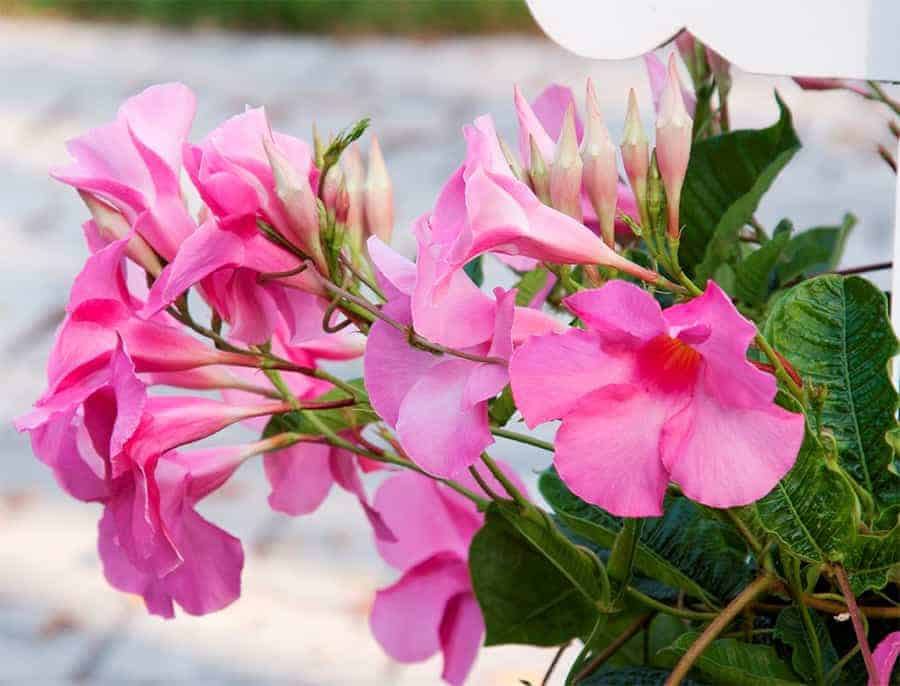
Mandevilla vines are a bit thirstier. They enjoy regular watering, especially when they’re flowering. I usually water mine every other day in hot weather, keeping the soil moist but allowing it to drain well. If you notice the leaves drooping, it’s a sign they need a drink.
Palms
Palms are surprisingly drought-tolerant once established, but still appreciate regular watering. I water palms once a week, for house plants. soaking the soil deeply to encourage strong roots. During dry spells and outdoors, I increase watering to twice a week or more. Just watch for yellowing leaves, which can mean overwatering or underwatering.
Feeding Your Tropical Beauties
Fertilizing tropical plants helps them grow strong and bloom beautifully. Here’s what works best for each.
Hibiscus
Hibiscus plants are heavy feeders. I use a balanced fertilizer with equal parts nitrogen, phosphorus, and potassium every two weeks during the growing season. A fertilizer like Miracle-Gro Water Soluble All Purpose Plant Food works well because it dissolves easily and feeds plants quickly.
Mandevilla
Mandevilla benefits from a fertilizer higher in phosphorus to encourage blooms. I feed mine monthly with a bloom-boosting fertilizer, especially during spring and summer. A slow-release fertilizer can also work well if you prefer less frequent feeding.
Palms
Palms need a fertilizer rich in potassium and magnesium to keep their fronds healthy. I apply a palm-specific fertilizer like time-release Osmocote three times a year: early spring, mid-summer, and early fall. This keeps palms looking their best year-round.

Sunlight Needs for Tropical Plants
Sunlight is a big factor in tropical plant health. Each of these plants has its own light preferences.
Hibiscus
Hibiscus plants adore full sun. They need at least 6 hours of direct sunlight daily to bloom well. If you’re growing hibiscus indoors, place it near a south-facing window where it can soak up plenty of light.
Mandevilla
Mandevilla also prefers full sun but can tolerate some light shade. If you live in a very hot area, a bit of afternoon shade helps prevent leaf scorch. Outdoors, a spot with morning sun and afternoon shade is ideal.
Palms
Palms vary, but most like bright, indirect light. Some palms, like the Areca palm, do well in partial shade, while others, like the Queen palm, prefer full sun. If you’re unsure, start with bright indirect light and adjust as your palm responds.
General Care Tips for Tropical Plants
Beyond watering, feeding, and sunlight, a few other care tips can keep your tropical plants happy.
Soil: Use well-draining soil to prevent root rot. For hibiscus and mandevilla, a mix with peat, perlite, and compost works well. Palms prefer sandy, loamy soil.
Pruning: Regular pruning encourages bushier growth and more flowers. Trim hibiscus and mandevilla after flowering to shape them. Palms usually only need dead fronds removed.
Pests: Watch for common pests like aphids, spider mites, and whiteflies. A gentle insecticidal soap or neem oil spray can keep pests in check.
Humidity: Tropical plants love humidity. If your home is dry, mist leaves or use a humidifier to mimic their natural environment.
Bloom Booster: For the steady diet, use a time-release fertilizer. supplemented with a bloom-boosting water-soluble.
If you want to make your plant care even easier, Sutherlands Garden Club offers workshops that cover tropical plants and more. It’s a great way to learn hands-on tips and meet fellow plant lovers.
Taking care of tropical plants like hibiscus, mandevilla, and palms is a rewarding adventure. With the right watering, feeding, sunlight, and a little extra love, these plants will brighten your space and bring a touch of the tropics to your life. Remember, every plant is a little different, so watch how yours responds and adjust care as needed. Happy gardening!
If you’re looking to start or expand your tropical collection, check out the selection at Sutherlands Garden Club. They have everything you need to create your own tropical oasis right here in Fort Smith.
Thanks for joining me on this tropical plant journey. May your garden be lush and your blooms bright!
Vicki


Comments